
chinese new year

Chinese New Year

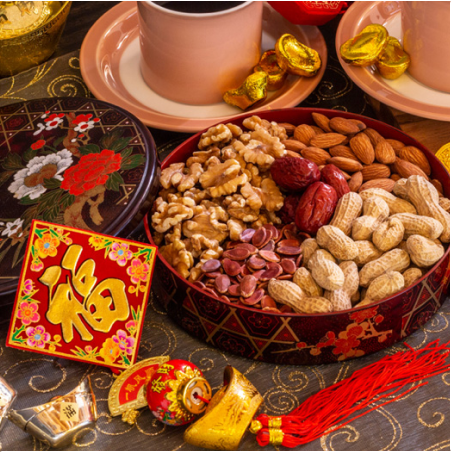
Chinese New Year, also known as Spring Festival (春节 / Chūn Jié), is the most important traditional festival in China. It marks the beginning of the lunar new year, usually falling between late January and mid-February. It’s a time for family reunions, festive meals, and cultural celebrations that last up to 15 days, ending with the Lantern Festival.

History

Chinese New Year has been celebrated for over 4,000 years. It began as a seasonal celebration marking the end of winter and the beginning of spring. Over time, it became more connected to family, rituals, and traditional beliefs.

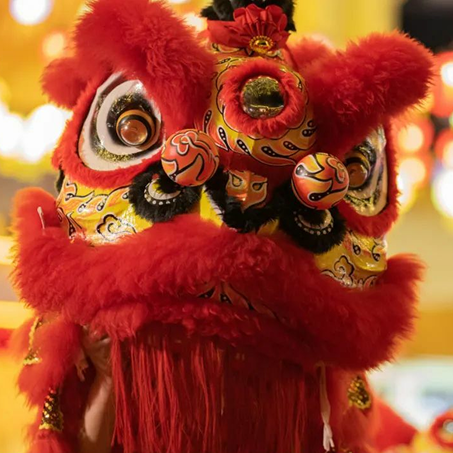
During the Han Dynasty (206 BCE – 220 CE), it became tied to the lunar calendar. Later dynasties developed customs like fireworks, red decorations, and lion dances. Today, it is a national holiday celebrated in many countries with Chinese communities.

Mythology

Legend of Nian

The Legend of Nian

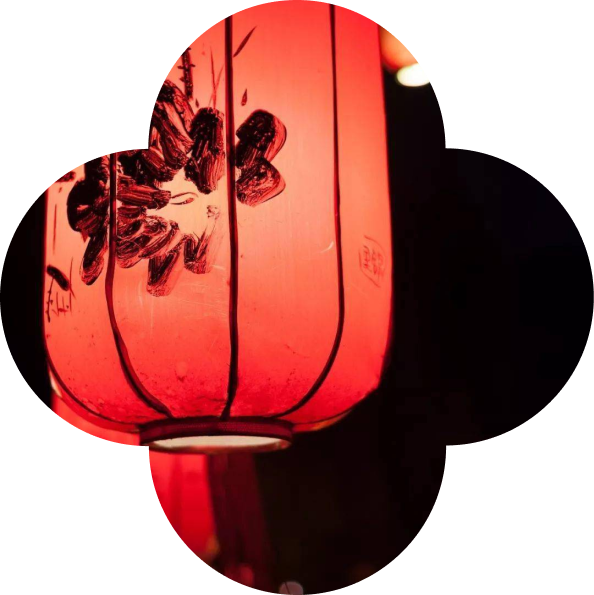
The most famous legend behind Chinese New Year is about a monster called Nian (年). Nian would come out every New Year’s Eve to attack villages and frighten people. However, villagers discovered that Nian was afraid of loud noises, bright lights, and the color red. From then on, people began to hang red decorations, set off firecrackers, and stay up late to protect their homes—traditions that continue today.
The Zodiac Animals

The Chinese New Year also marks the beginning of a new year in the Chinese zodiac cycle, which has 12 animals. According to legend, the Jade Emperor held a race to decide the order of the zodiac. The Rat won by cleverly riding on the back of the Ox and jumping ahead at the last moment. Each year is associated with a different zodiac animal and its characteristics, influencing people's personalities and fortunes.
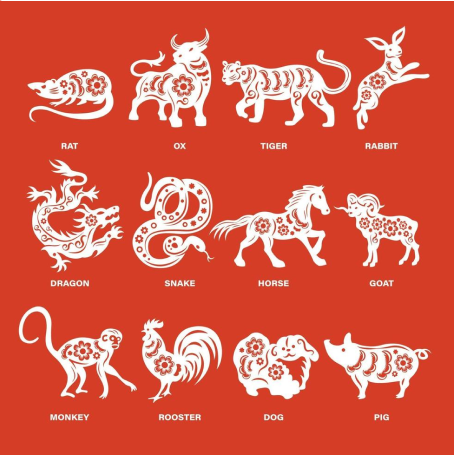
Zodiac Animals