

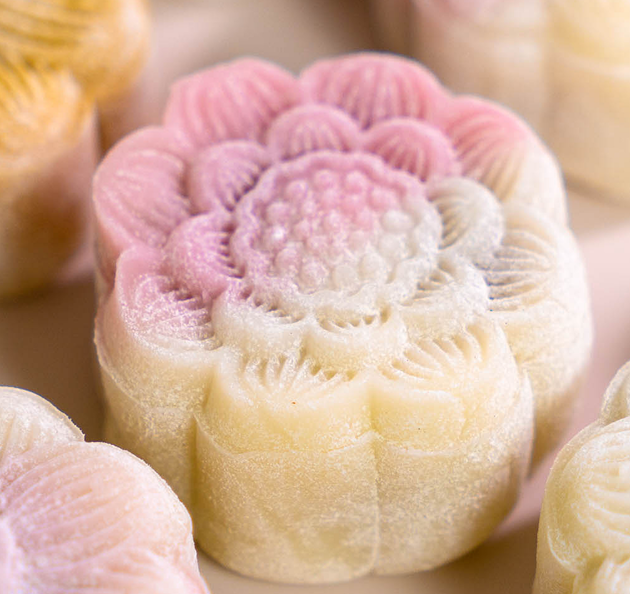
The Mid-Autumn Festival, also known as the Moon Festival, is one of the most important traditional holidays in Chinese culture. Celebrated on the 15th day of the 8th lunar month, it honors the full moon, symbolizing reunion, harmony, and harvest. It is a time for families to come together, admire the moon, and share mooncakes.
The origins of the Mid-Autumn Festival date back over 3,000 years, possibly to the Zhou Dynasty,
when
ancient
Chinese people worshiped the moon to give thanks for a good harvest.
Over time, the festival evolved and became a regular celebration during the Tang (618–907) and
Song
(960–1279) dynasties. By the Ming and Qing dynasties, it had become widely recognized as a major
holiday
with rich
cultural traditions, including feasts, moon worship, and poetry.
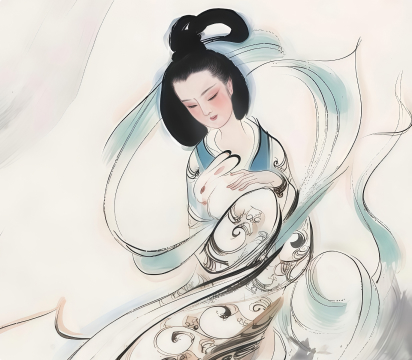
Chang’e is the most well-known figure of the Mid-Autumn Festival. After drinking the elixir of immortality to prevent it from falling into the wrong hands, she floated to the moon, where she lives to this day. People honor her by gazing at the moon and offering mooncakes.
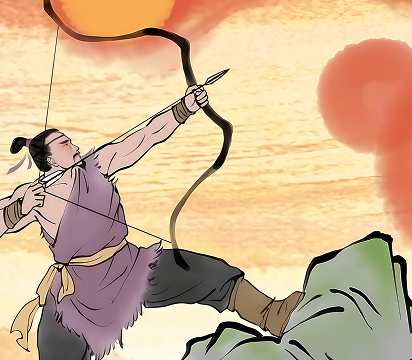
Chang’e's husband, Hou Yi, was a legendary archer who saved the earth by shooting down nine of ten suns. His love for Chang’e and her ultimate sacrifice are at the heart of the festival’s story.
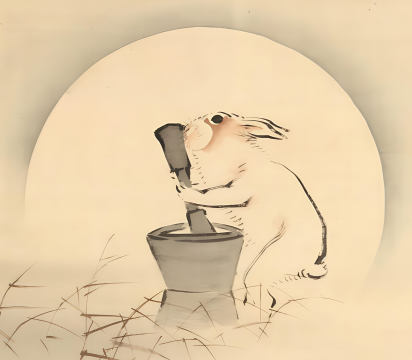
According to legend, the Jade Rabbit lives on the moon with Chang’e, constantly pounding herbs to make the elixir of immortality. The rabbit symbolizes purity, selflessness, and loyalty.